DIY Home Infant and Toddler Nutrition: Tips for Nourishing Your Little Ones
Category : childnut |
Sub Category : Posted on 2023-10-30 21:24:53
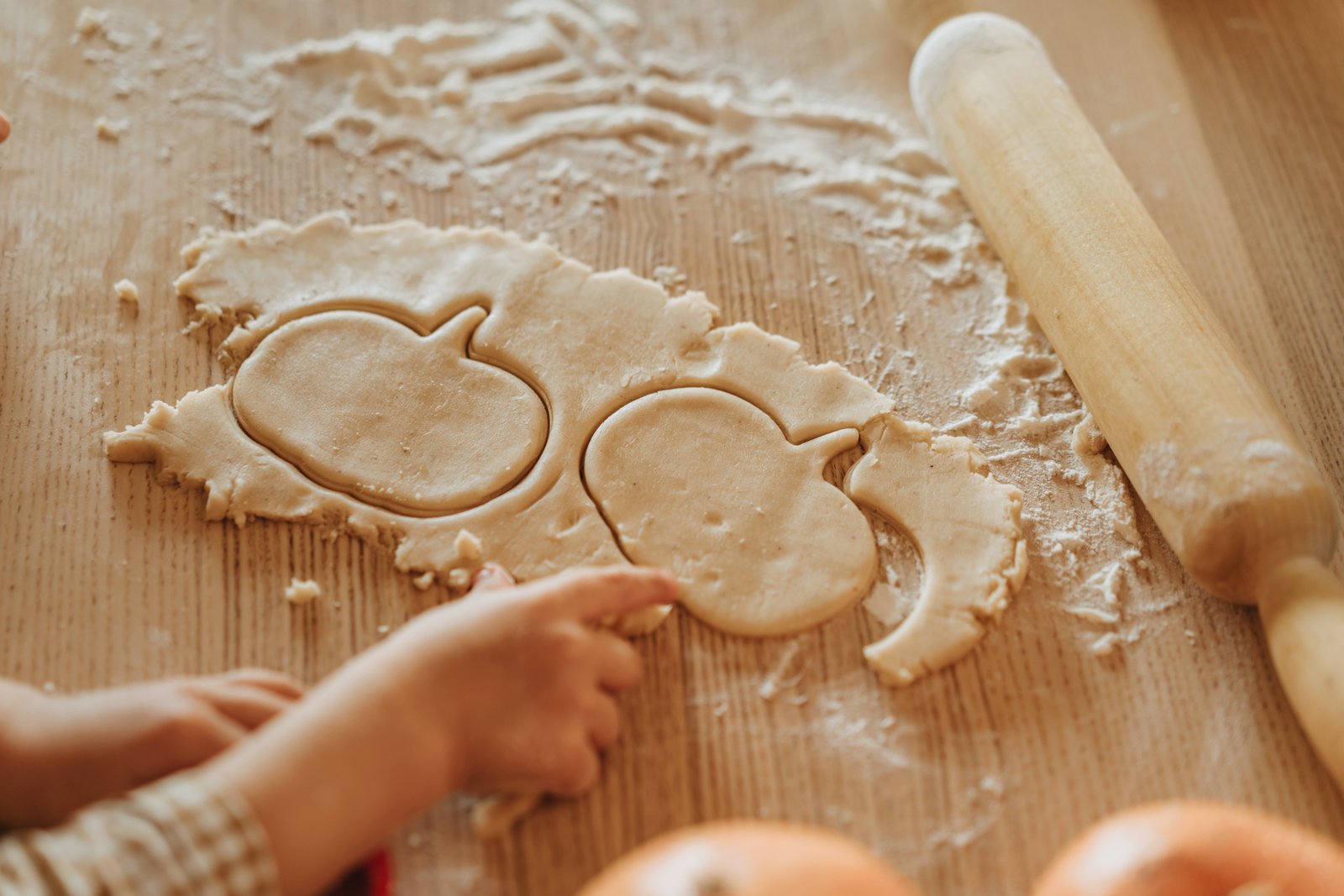
Introduction: As parents, we always want the best for our children, especially when it comes to their nutrition. We know that a healthy diet is essential for their growth and development. While there are plenty of store-bought options available, many parents are opting for a more personalized approach to feeding their infants and toddlers. In this blog post, we'll explore the world of DIY home infant and toddler nutrition and offer some valuable tips to help you nourish your little ones with homemade goodness. 1. Know the Basics: Before diving into DIY home infant and toddler nutrition, it's important to understand the basics of their nutritional needs. Infants under six months of age thrive exclusively on breast milk or formula. On the other hand, toddlers between the ages of one and three require a balanced diet consisting of nutrients like protein, healthy fats, whole grains, fruits, and vegetables. By having a solid understanding of their nutritional requirements, you can ensure that your DIY meals are well-rounded and meet their needs. 2. Get Creative with Purees: One of the first foods babies transition to after breast milk or formula is purees. Store-bought options are convenient, but making your own purees at home allows you to have full control over ingredients and flavors. Invest in a good quality blender or food processor, and experiment with different combinations of fruits and vegetables. Not only will your baby enjoy the taste, but you'll also feel confident knowing exactly what they're eating. 3. Finger Foods for Toddlers: As your little one grows, they'll start exploring the world of solid foods. Introducing finger foods is an exciting milestone in their development. Instead of relying solely on pre-packaged snacks, try creating your own at home. Homemade options like vegetable sticks, fruit slices, and whole grain crackers are not only healthier but also provide an opportunity for your toddler to explore different textures and develop their fine motor skills. 4. Meal Planning and Prep: When it comes to DIY home infant and toddler nutrition, meal planning and prep are essential for success. Take some time each week to plan out your meals and snacks. This will help you ensure that your little ones are getting a variety of nutritious options. Dedicate a day for meal prepping, where you can make and freeze large batches of homemade purees, soups, and stews. Having these ready-to-go options on hand will make mealtime a breeze even on the busiest days. 5. Involve Your Child: Getting your child involved in the kitchen can be a fun and educational experience for both of you. As they grow, let them help with simple tasks like washing fruits and vegetables or stirring ingredients. This not only allows them to feel empowered but also encourages them to develop a positive relationship with food. Conclusion: DIY home infant and toddler nutrition can be a rewarding journey for parents. By preparing homemade meals, you have the opportunity to control the quality and variety of ingredients your child consumes. Remember to always prioritize their nutritional needs and seek guidance from a pediatrician or registered dietitian if needed. With a little planning and creativity, you can nourish your little ones with wholesome, homemade goodness right from your kitchen. Also Check the following website http://www.tinyfed.com If you're interested in this topic, I suggest reading http://www.svop.org You can find more about this subject in http://www.mimidate.com


