A Guide to Properly Feeding Dogs and Child Nutrition Guidelines
Category : childnut |
Sub Category : Posted on 2023-10-30 21:24:53
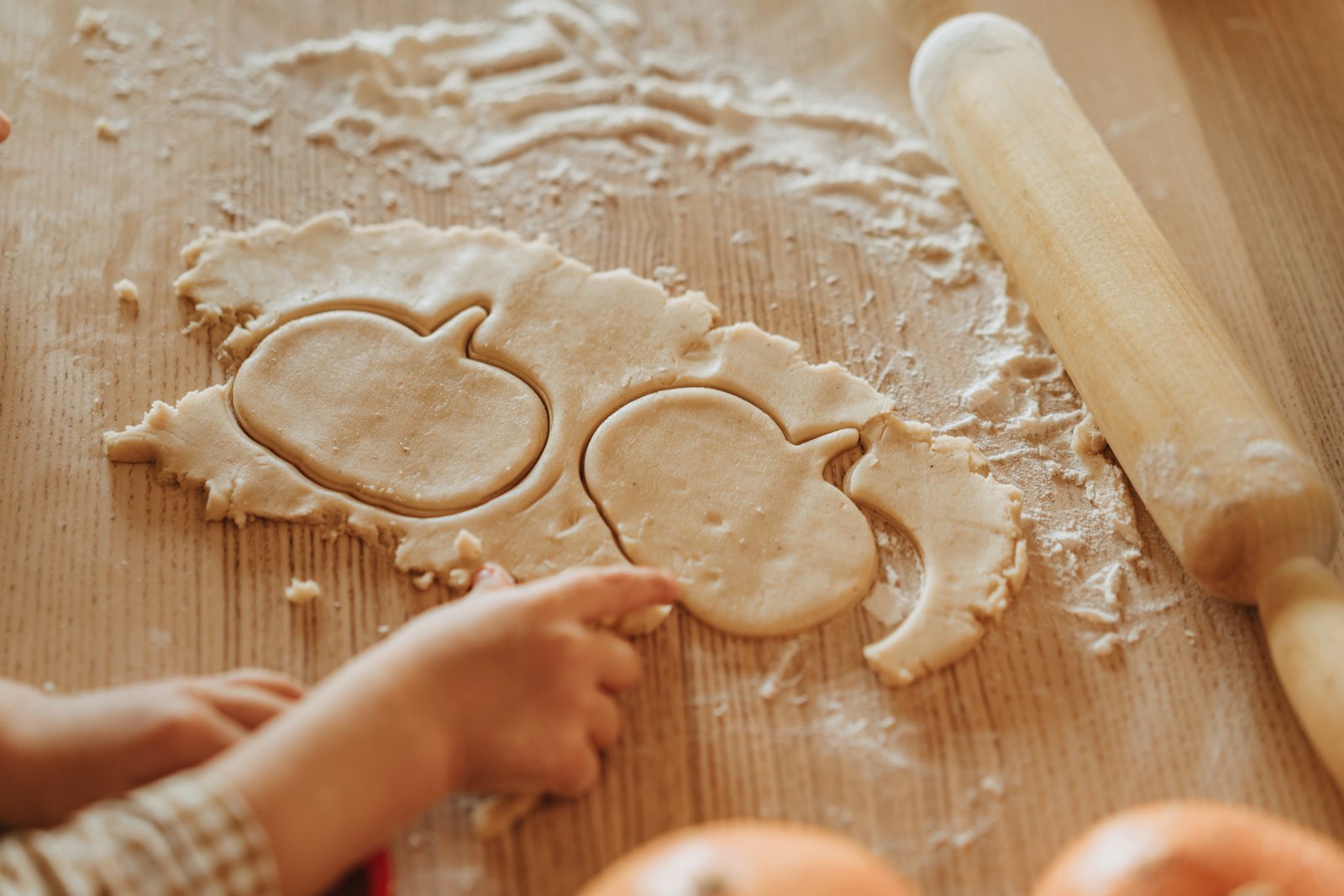
Introduction: As responsible pet owners and parents, it is important to understand the importance of proper nutrition for both our children and our furry friends. In this blog post, we will discuss the key elements of dog nutrition and how it relates to child nutrition guidelines. By following these guidelines, you can ensure that your family and pets are happy, healthy, and well-nourished. 1. Balanced Meals for Dogs and Children: Both dogs and children require a balanced diet to support their growth and development. For dogs, a balanced meal should include high-quality protein, healthy fats, carbohydrates, fiber, vitamins, and minerals. Similarly, children should consume a variety of nutrient-dense foods, including fruits, vegetables, whole grains, lean proteins, and healthy fats. By offering balanced meals to both dogs and children, you are setting them up for long-term health and wellbeing. 2. Age-Appropriate Nutrition: Just like children, dogs have different nutritional needs depending on their age. Puppies require higher levels of protein and fats to support their rapid growth. As they mature, their nutritional needs may change. Similarly, children have specific dietary guidelines depending on their age and developmental milestones. Understanding the different requirements at each stage of life will ensure that both dogs and children receive the nutrition they need for optimal health. 3. Portion Control and Obesity Prevention: Obesity is a common concern for both dogs and children. Controlling portions is vital to maintaining a healthy weight for both. Dog owners should follow the feeding guidelines on commercial dog food packaging according to their pet's weight and activity level. Similarly, parents should monitor their child's portion sizes and avoid overfeeding. A proper understanding of portion control can help prevent obesity-related health issues in both dogs and children. 4. Nutritional Snacks: Snacks can be a part of a healthy diet for both dogs and children, but they should be chosen wisely. Instead of reaching for highly processed and sugary snacks, opt for nutritious alternatives. Dogs can enjoy dog-friendly fruits and vegetables, such as carrots or blueberries, while children can snack on fresh fruits, yogurt, or whole-grain crackers. Offering nutrient-rich snacks ensures that both dogs and children get the extra fuel they need without compromising their health. 5. Hydration: Proper hydration is vital for both dogs and children. Encourage your child to drink water throughout the day, and ensure that fresh water is always available to your dog. Avoid giving sugary drinks to children and limit their consumption of sweets as well. By promoting good hydration habits, you are ensuring that both dogs and children maintain optimal health and well-being. Conclusion: As a responsible pet owner and parent, understanding the nutritional needs of dogs and children is crucial for their overall health and development. By following balanced meals, considering age-appropriate nutrition, controlling portions, offering nutritious snacks, and promoting hydration, you're setting the foundation for a healthy lifestyle for both your furry friend and your child. Stay mindful of these guidelines, and consult with your veterinarian or pediatrician for specific dietary recommendations for your dog or child. Get a comprehensive view with http://www.tinyfed.com You can also check following website for more information about this subject: http://www.gwta.net


