Picky Eaters and Selective Eating in Japan: Nurturing Healthy Habits in Children
Category : childnut |
Sub Category : Posted on 2023-10-30 21:24:53
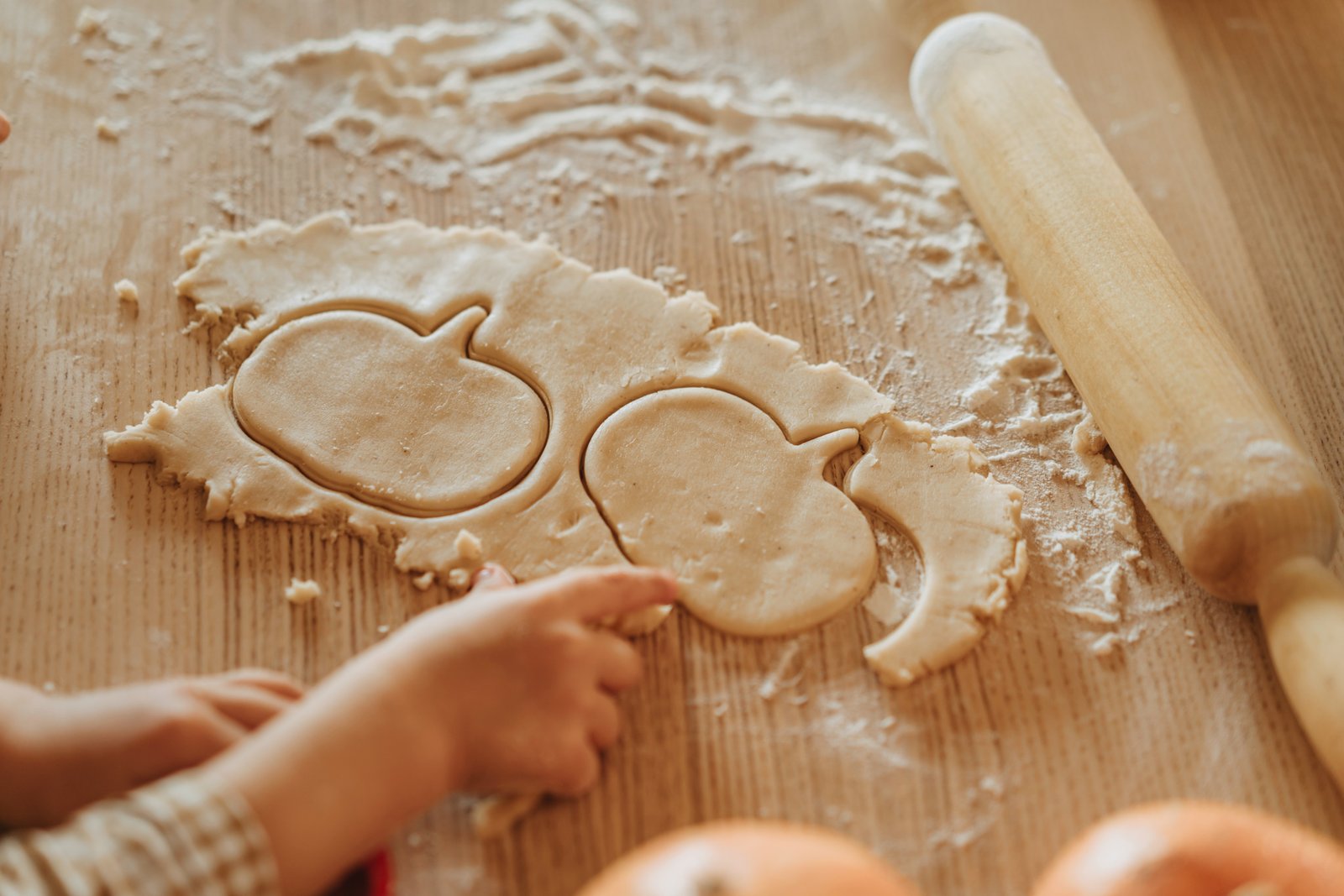
Introduction: Japan is renowned for its rich culinary heritage, boasting a diverse range of flavors and ingredients. However, just like in any other part of the world, parents in Japan sometimes face the challenge of picky eaters and selective eating in their children. This article aims to explore the issue of children's selective eating habits in Japan, shed light on its cultural context, and provide practical tips for nurturing healthy eating habits. The Cultural Perspective: The Japanese culture places great importance on food and its presentation. The concept of "hara hachi bu" (eating until 80% full) is deeply rooted in Japanese tradition. However, this cultural norm can sometimes clash with children's natural tendencies to be picky eaters. Additionally, the emphasis on aesthetics, such as the colorful and visually appealing nature of Japanese cuisine, can make it even more challenging for children with selective eating habits. Understanding Selective Eating: Selective eating, also known as "neophobia" or "food aversion," is a common stage in a child's development. It is characterized by a refusal to try new foods or a limited range of acceptable food choices. In Japan, parents often strive to expose their children to a wide variety of tastes and textures from an early age. However, some children might still exhibit selective eating behaviors due to individual preferences, sensory sensitivities, or other factors. Tips for Nurturing Healthy Eating Habits: 1. Be Patient and Persistent: It is crucial to approach selective eating with patience and persistence. Gradually introduce new foods, flavors, and textures, and provide a supportive environment for your child to explore and experiment with different options. 2. Present Food Creatively: In Japan, the concept of "kawaii" or cuteness is highly valued. Applying this principle to mealtime can help make food more appealing to children. Use cute bento boxes, arrange foods in fun shapes, or create art with ingredients to entice your child's interest. 3. Family Meals and Positive Role Modeling: Eating together as a family can create a positive eating environment. Show enthusiasm for a wide variety of foods, and avoid negative reactions or pressure when your child expresses aversions. By being a positive role model, you can inspire your child to try new foods. 4. Small Portion Sizes and Variety: Offering small portions of a variety of foods helps children become accustomed to new flavors without overwhelming them. Encourage your child to sample different foods, even if they only take a small bite at first. Over time, they may develop a taste for these foods. 5. Involvement in Preparation: Engage your child in meal preparation as it can spark their interest in trying new foods. Take them grocery shopping, let them choose ingredients, and involve them in simple cooking tasks, stimulating their curiosity and willingness to try new things. 6. Seek Professional Help if Necessary: If selective eating persists and significantly impacts your child's growth and development, it may be beneficial to seek the guidance of a pediatrician or a registered dietitian. They can provide tailored strategies and additional support. Conclusion: Dealing with picky eaters and selective eating among children is a common challenge faced by parents worldwide, including those in Japan. By understanding the cultural context, being patient and persistent, and fostering a positive mealtime environment, parents can help their children develop healthy eating habits. Remember, every child is unique, and it may take time, but with a balanced approach, your little one can gradually expand their palate and embrace the wonderful flavors that Japan has to offer. visit: http://www.takishi.com


