Nutrition Culture and National Identity: A Recipe for Health and Heritage
Category : childnut |
Sub Category : Posted on 2023-10-30 21:24:53
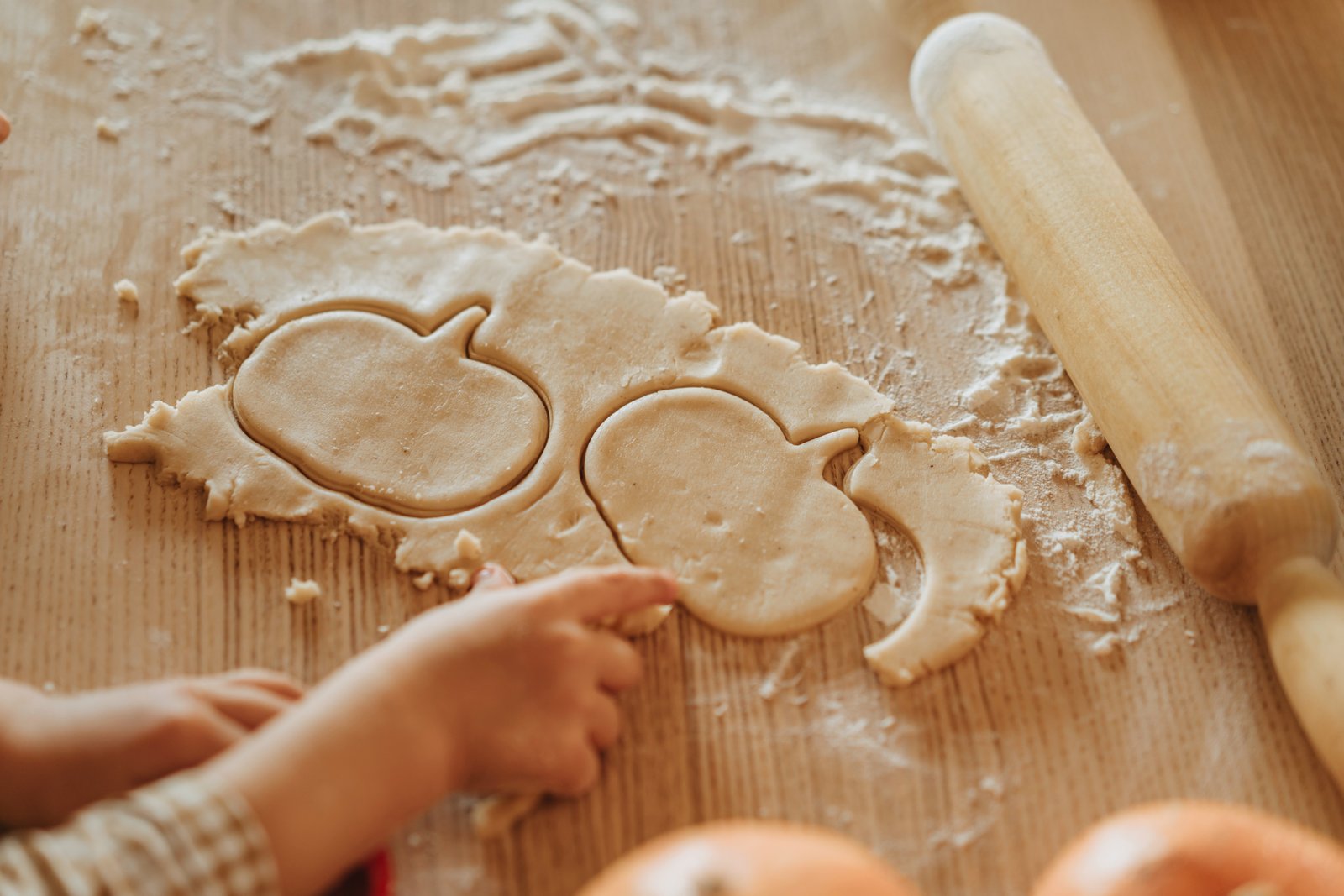
Introduction: In the realm of culture and identity, food plays a significant role. Each country has its distinct culinary traditions that reflect its history, values, and way of life. Nutrition culture not only shapes our taste preferences but also influences our health. In this article, we explore the fascinating link between nutrition culture and national identity, highlighting how embracing our culinary heritage can pave the way for a healthier and more authentic way of living. I. The Influence of Food on National Identity: Food is an integral part of a nation's cultural identity. It is through culinary traditions that we celebrate our past, honor our ancestral practices, and express our unique customs. The ingredients, cooking techniques, and even the rituals associated with meals often carry the legacy of generations. By preserving these culinary traditions, nations strengthen their sense of identity and create a connection to their roots. II. The Role of Cultural Nutrition in Health: Beyond its cultural significance, nutrition culture also impacts our health. Traditional diets often boast a wide variety of locally sourced fruits, vegetables, grains, and proteins, carefully balanced to meet nutritional needs. These traditional diets are typically rich in vitamins, minerals, and antioxidants, providing a solid foundation for overall well-being. Eating traditional meals can have several health benefits: 1. Whole Foods: Traditional diets are often characterized by their reliance on whole, unprocessed foods, free from additives and preservatives. This emphasis on natural, whole ingredients contributes to better health outcomes, including reduced risks of chronic diseases such as heart disease and diabetes. 2. Balance and Moderation: Traditional diets are generally well-balanced, combining different food groups in appropriate proportions. This approach helps regulate blood sugar levels, optimize digestion, and maintain a healthy weight. 3. Cultural Wisdom: Traditional cuisines have evolved over centuries, incorporating local ingredients and preparation methods that have stood the test of time. This wisdom not only enhances flavors but also ensures optimal nutrient absorption and overall nutritional balance. III. Preserving and Celebrating Cultural Nutrition: In our fast-paced, globalized world, it can be easy to overlook the importance of preserving and celebrating our cultural nutrition. However, reconnecting with our culinary heritage can have profound impacts on our well-being and national identity. 1. Rediscovering Traditional Recipes: Take the time to explore traditional recipes that have been passed down through generations. Experiment with their flavors and techniques, and make them a part of your regular meal rotation. 2. Local and Seasonal Eating: Embrace the abundance of locally grown fruits, vegetables, and other produce. By supporting local farmers and consuming seasonal foods, we not only boost our health but also contribute to the sustainability of our communities. 3. Sharing Traditions with Future Generations: Teach children and young family members about traditional dishes and involve them in the cooking process. This way, culinary traditions can be passed on, ensuring the preservation of cultural nutrition for years to come. Conclusion: Nutrition culture and national identity go hand in hand, weaving a tapestry of culinary heritage that enriches our lives. By embracing traditional diets and celebrating our cultural nutrition, we honor our roots, support our local communities, and nourish our bodies. As we strive for a healthier and more sustainable future, let us not forget the vital role that our food traditions play in shaping our identity and well-being. to Get more information at http://www.tinyfed.com Explore this subject in detail with http://www.culturepolitics.com


