Understanding Picky Eaters and Selective Eating in Children: Insights from Pakistan
Category : childnut |
Sub Category : Posted on 2023-10-30 21:24:53
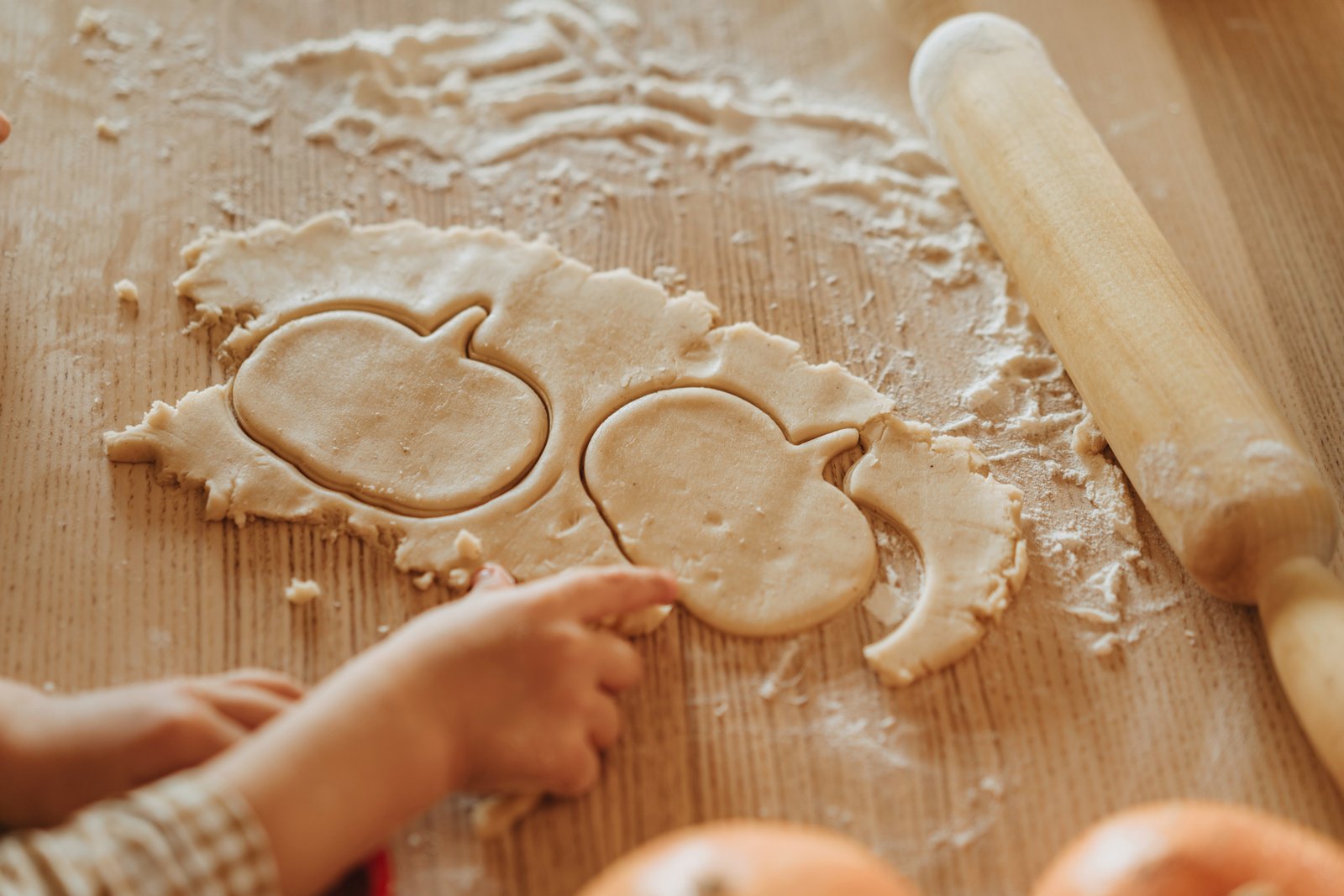
Introduction: In Pakistan, as in many other cultures, picky eating behavior is not uncommon among children. Parents often find themselves struggling to provide nutritious meals that cater to their child's limited food preferences. In this blog post, we will explore the concept of picky eating, its possible causes, and practical tips to encourage healthy eating habits among children in Pakistan. 1. What is Picky Eating? Picky eating refers to a selective eating pattern in which a child shows reluctance or refusal to consume certain foods. This behavior can range from avoiding specific food groups to rejecting entire meals altogether. Picky eating is a common phase during childhood, but if it persists or limits a child's nutritional intake, it may require further attention. 2. Cultural Influences on Eating Habits: In Pakistan, cultural factors play a significant role in shaping children's food preferences. The abundance of traditional dishes, including spicy and aromatic flavors, may initially pose a challenge for children who have not yet developed a taste for such flavors. Additionally, the tendency to prioritize socially expected foods and communal dining experiences may heighten the pressure for children to conform to specific eating habits. 3. Causes of Picky Eating in Children: Several factors contribute to picky eating behavior in children. These may include biological factors, such as sensory sensitivities to certain textures or tastes, as well as environmental factors like mealtime routines and family dynamics. Understanding these factors can help parents devise effective strategies to support their child's eating habits. 4. Strategies to Encourage Healthy Eating: a. Role Modeling: Parents can lead by example by consuming a diverse range of healthy foods. When children see their parents enjoying various foods, they are more likely to mimic their behavior. b. Make mealtimes enjoyable: Create a positive and relaxed atmosphere during meals. Avoid pressuring or forcing the child to eat specific foods. Instead, encourage them to explore different options and develop a curiosity for new flavors. c. Gradual Exposure: Introduce new foods gradually to the child's diet. Encourage them to taste small portions without demanding them to finish the whole meal. d. Involve Children in Food Preparation: Engage children in age-appropriate activities in the kitchen, such as selecting ingredients, washing vegetables, or assisting in cooking. This process instills a sense of ownership and curiosity, making them more likely to try new foods. e. Be Creative with Presentation: Experiment with different presentations to make meals visually appealing. Use colorful plates, arrange foods in fun shapes, or create themed mealtime experiences to spark the child's interest. 5. Seek Professional Guidance: If picky eating becomes a persistent and concerning issue, it is advisable to seek guidance from healthcare professionals or pediatric dieticians. They can provide valuable insights tailored to the specific needs of the child, ensuring their nutritional requirements are met. Conclusion: Picky eating is a common phase among children, and it is essential for parents in Pakistan to understand the reasons behind this behavior. By implementing practical strategies and creating a supportive environment, parents can encourage healthier eating habits in their children. Remember, patience and persistence are key as every child is unique and may require different approaches to develop a diverse and balanced diet. Want to expand your knowledge? Start with http://www.uurdu.com


